Family words are often among the first Chinese words people learn. They appear in childhood, daily conversations, television dramas, and family gatherings. Yet the words for “mom” and “dad” in Mandarin carry more cultural meaning than many learners expect.
- Learn how to say mom and dad in Chinese, including pronunciation, everyday usage, formal terms, and family culture in Mandarin.
- Family words are often among the first Chinese words people learn.
- They appear in childhood, daily conversations, television dramas, and family gatherings.
- Yet the words for “mom” and “dad” in Mandarin carry more cultural meaning than many learners expect.
- Chinese family terms often reflect age, respect, and relationships.
Chinese family terms often reflect age, respect, and relationships. Unlike English, which usually relies on a small set of family words, Mandarin uses different expressions depending on formality and context.
Chinese is written using Hanzi, while pinyin helps learners pronounce the words correctly. Understanding both the spoken and cultural meaning of family words makes them much easier to remember.
The words most children use every day
The most common words for parents are simple and affectionate. Nearly every Chinese child grows up using these terms at home.
- 妈妈 (māma) — mom
- 爸爸 (bàba) — dad
- 妈 (mā) — mom
- 爸 (bà) — dad
- 家人 (jiārén) — family
These words are warm, natural, and widely used throughout China.
Vocabulary
| Word | Pinyin | Meaning | Note |
|---|---|---|---|
| mā ma | mother | ||
| bà ba | father | ||
| mā | mom | ||
| bà | dad | ||
| mǔ qīn | mother | ||
| fù qīn | father | ||
| fù mǔ | parents | ||
| shuāng qīn | both parents | ||
| jiā rén | family members | ||
| jiā tíng | family | ||
| qīn rén | relatives | ||
| zhǎng bèi | elders | ||
| zūn zhòng | respect | ||
| xiào shùn | filial piety | ||
| gē ge | older brother | ||
| jiě jie | older sister | ||
| dì di | younger brother | ||
| mèi mei | younger sister | ||
| yé ye | grandfather (paternal) | ||
| nǎi nai | grandmother (paternal) |
- 妈妈,我饿了。(Māma, wǒ è le.) — Mom, I'm hungry.
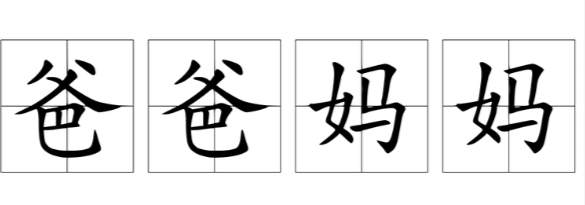
Children and adults alike often continue using these terms throughout their lives.
Formal words for parents
Written Chinese and formal situations sometimes use different vocabulary. These expressions appear in books, speeches, and official writing.
- 母亲 (mǔqīn) — mother
- 父亲 (fùqīn) — father
- 双亲 (shuāngqīn) — parents
- 父母 (fùmǔ) — parents
- 长辈 (zhǎngbèi) — elders
These words sound more respectful and formal than 妈妈 and 爸爸.
Vocabulary
| Word | Pinyin | Meaning | Note |
|---|---|---|---|
| mā ma | mother | ||
| bà ba | father | ||
| mā | mom | ||
| bà | dad | ||
| mǔ qīn | mother | ||
| fù qīn | father | ||
| fù mǔ | parents | ||
| shuāng qīn | both parents | ||
| jiā rén | family members | ||
| jiā tíng | family | ||
| qīn rén | relatives | ||
| zhǎng bèi | elders | ||
| zūn zhòng | respect | ||
| xiào shùn | filial piety | ||
| gē ge | older brother | ||
| jiě jie | older sister | ||
| dì di | younger brother | ||
| mèi mei | younger sister | ||
| yé ye | grandfather (paternal) | ||
| nǎi nai | grandmother (paternal) |
For example, school essays and official documents often use 父母 rather than 妈妈 and 爸爸.
How people address their parents as adults
Many adults continue using childhood words when speaking directly to their parents. Calling one's father 爸爸 or one's mother 妈妈 remains completely normal.
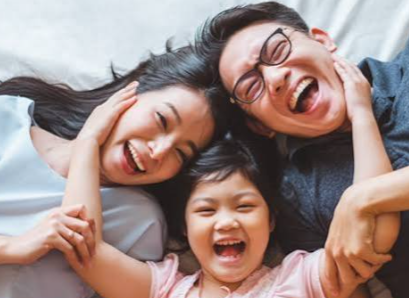
At the same time, people may switch to more formal language when talking about their parents to others.
- 爸妈 (bàmā) — mom and dad
- 父母 (fùmǔ) — parents
- 家庭 (jiātíng) — family
- 长辈 (zhǎngbèi) — older generation
- 亲人 (qīnrén) — relatives
- 我父母住在北京。(Wǒ fùmǔ zhù zài Běijīng.) — My parents live in Beijing.
This difference between speaking to someone and speaking about someone is very common in Mandarin.
Why family words matter so much in Chinese culture
Family relationships have traditionally played an important role in Chinese society. Respect for parents and older relatives remains deeply connected to language.
Several ideas influence these expressions:
- 尊重 (zūnzhòng) — respect
- 孝顺 (xiàoshùn) — filial respect
- 家庭 (jiātíng) — family
- 长辈 (zhǎngbèi) — elders
- 亲人 (qīnrén) — relatives
Children are often taught to use proper family terms from an early age, and choosing the correct title shows politeness and closeness.
Other family words you will hear

Once learners know mom and dad, they usually encounter other family members soon afterward.
- 哥哥 (gēge) — older brother
- 姐姐 (jiějie) — older sister
- 弟弟 (dìdi) — younger brother
- 妹妹 (mèimei) — younger sister
- 爷爷 (yéye) — grandfather
- 奶奶 (nǎinai) — grandmother
- 我姐姐在上海工作。(Wǒ jiějie zài Shànghǎi gōngzuò.) — My older sister works in Shanghai.
Chinese family vocabulary often distinguishes older and younger relatives, something English does not always do.
More than just words
In Chinese, 妈妈 and 爸爸 carry affection, respect, and family relationships. They are among the first words a learner meets, and they say a lot about how families are spoken about.
Whether speaking to parents directly or discussing family members with others, Chinese offers different expressions depending on the situation.
For many learners, family words become some of the most memorable vocabulary because they connect language with everyday life.
Ready to say it out loud? Book an online lesson with a teacher in China, or come and study in Beihai. When you are ready for more, our Real life in Beihai course takes it a step further. If you would rather learn it where it is spoken, our Chinese immersion programme in Beihai shows what studying with us in China looks like.
Comments
No account needed. Leave a name and say what you think — Chinese or English, either is fine.
Loading comments…