
北海běi hǎi
Learning Chinese in Beihai, on the Guangxi coast
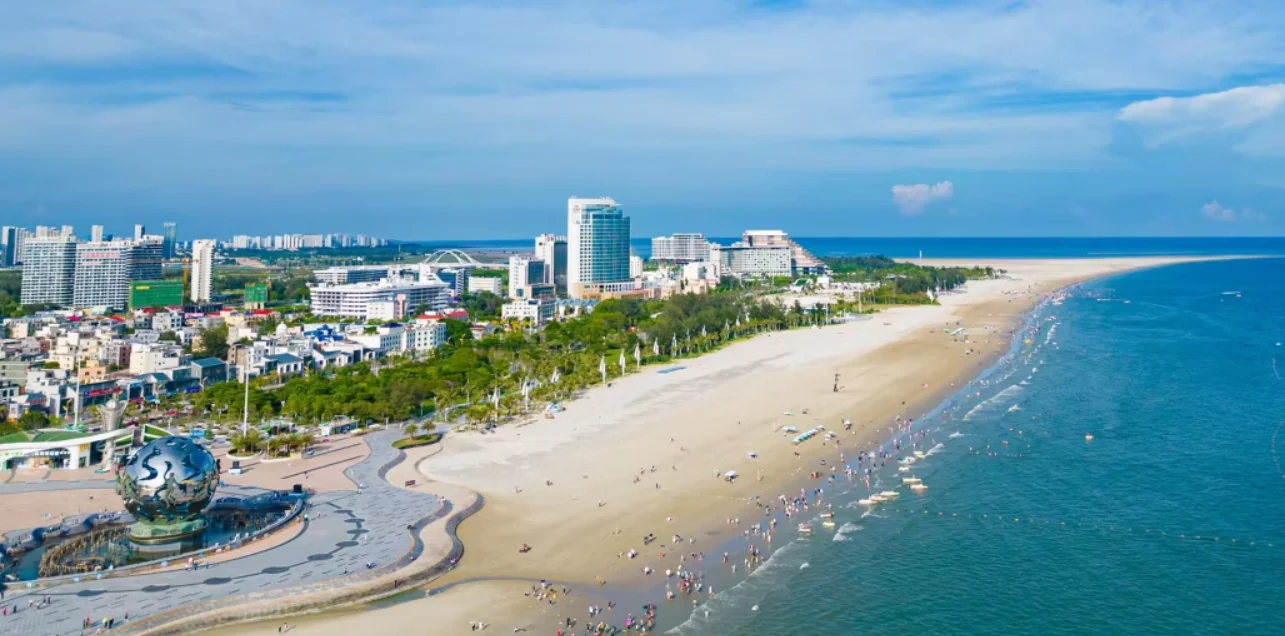
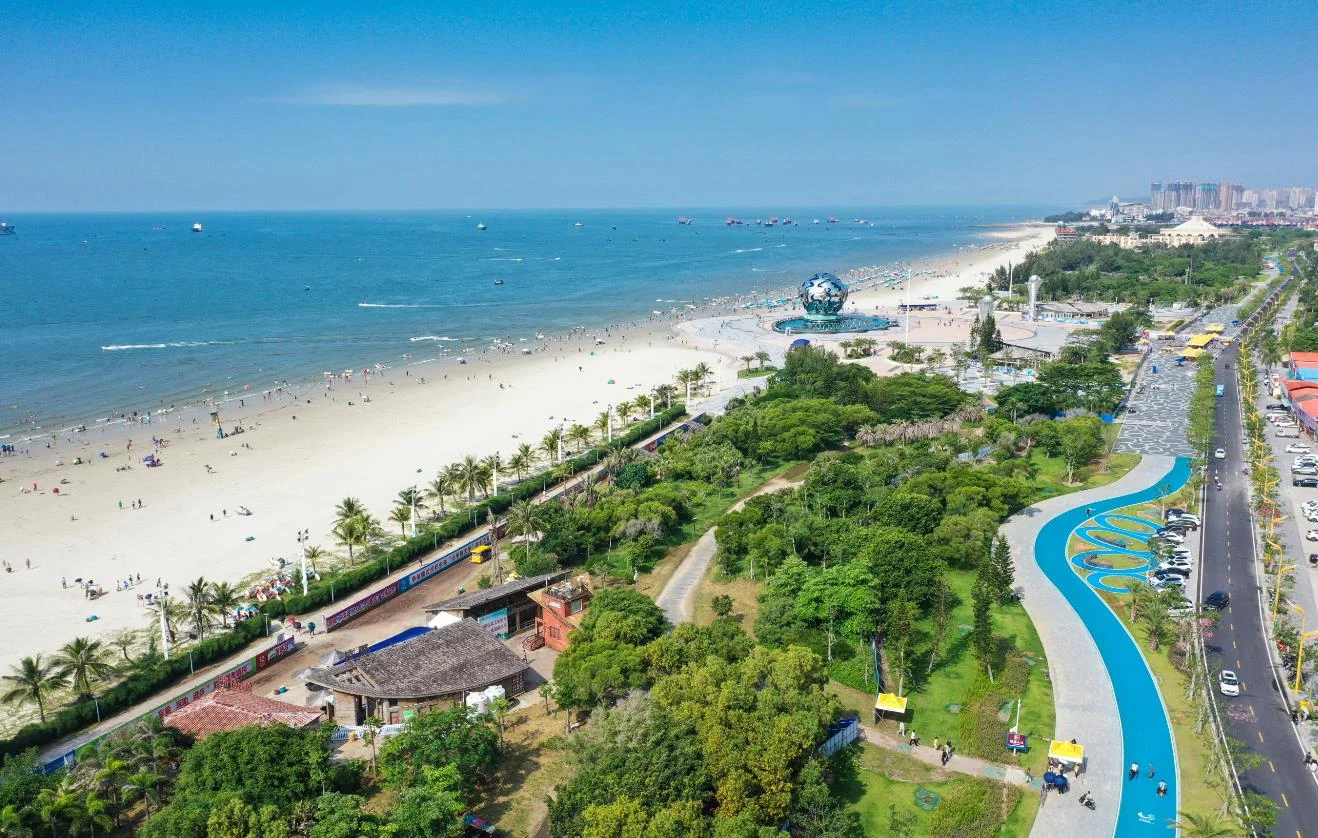
Beihai sits on the Beibu Gulf, a compact city of beaches and markets a few hours from the Vietnamese border. It stays warm for most of the year and costs far less to live in than the big cities on the coast. Students come here to study at our campus, and the city carries a good part of the teaching.
A place to learn Chinese
Beihai is small enough to cross on foot in an hour and busy enough to have shops open late. English is rare here. That single fact shapes a stay: the person at the noodle counter, the driver, the neighbour on the stairs all answer in Chinese, so a begginer gets the same conversation ten times a day until it sticks.
The school sits on its own campus a short walk from the sea. If you want the full programme, start with Chinese immersion in Beihai, and read study in China for the courses and the fees.
At a glance
- Cost of living
- Lower than most of coastal China. Rent, meals and local travel all sit well below Guangzhou or Shanghai, and a student budget stretches through a long stay.
- Getting around
- The city is small and flat. Buses, ride-hailing apps and shared bikes cover it, and a typical trip across town costs a few yuan.
- Weather
- Warm and humid through the year. Winters are mild, summers are hot, and the sea stays comfortable for swimming from spring into autumn.
- Food
- Seafood, rice noodles and Cantonese coooking, with markets selling fish straight off the boats each morning.
- Safety
- Beihai is calm and safe to walk at night. Ordinary city rules apply and violent crime is rare.
- Transport links
- Direct high-speed trains run to Nanning and Guangzhou. The airport is at Fucheng, and buses meet the ferry out to Weizhou Island.
What students do here
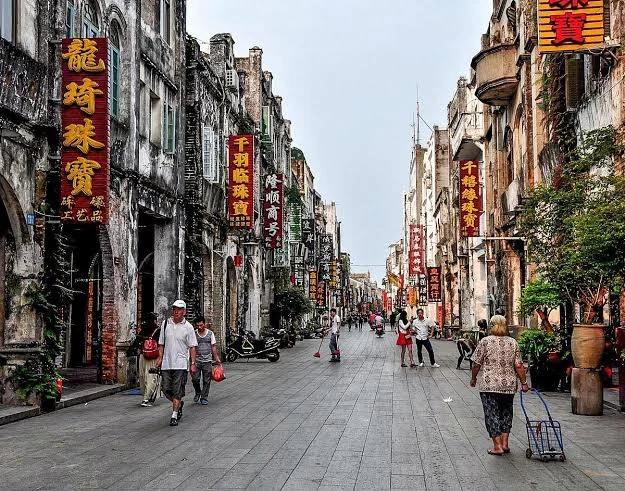
Mornings begin at the wet market, where the produce is cheap and the numbers are the first thing a teacher drills into you. Lunch is often a bowl of 米粉 (mǐ fěn, rice noodles) for fifty yuan, eaten at a plastic table on the pavement. Afternoons leave room for the seafront, a cafe with air conditioning, or the arcades of the old street, which fills up after dark.
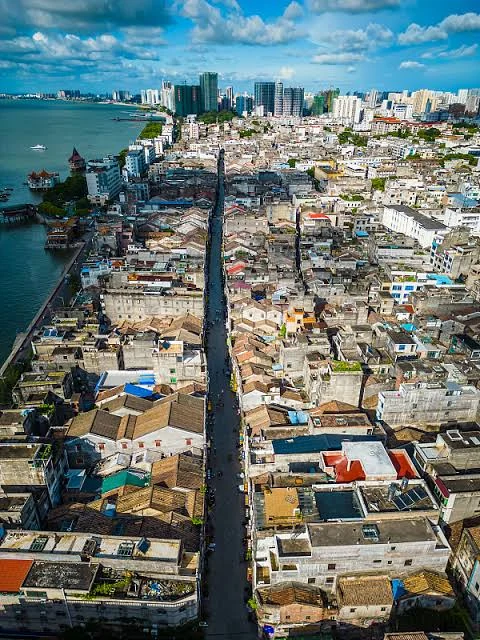
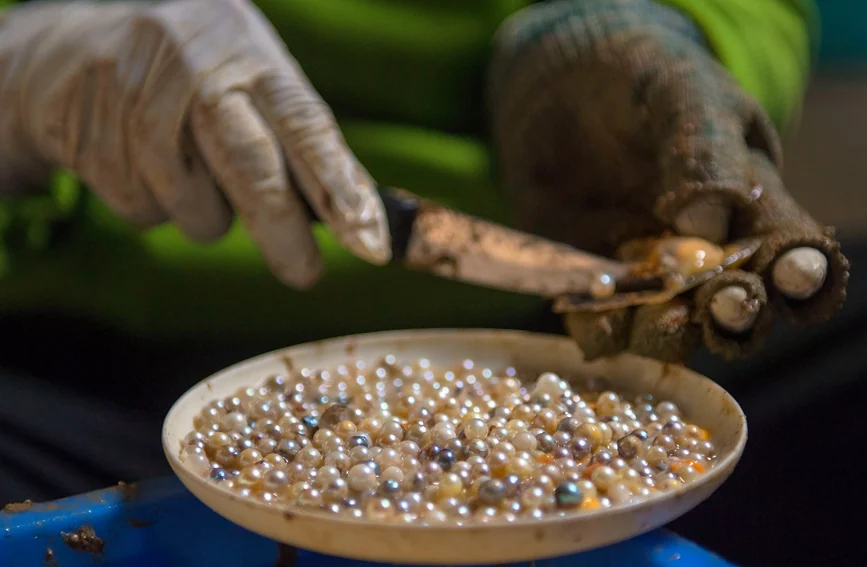
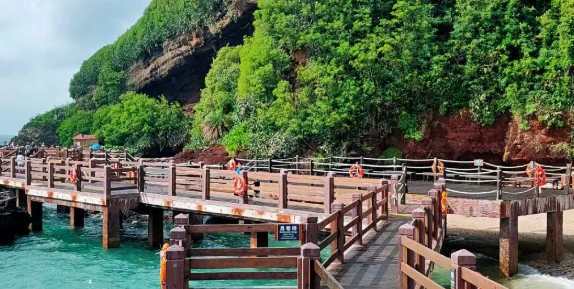
Dinners run late and revolve around seafood. You pick the fish or the prawns from a tank, agree a price, and wait while the kitchen cooks it. Weekend afternoons bring the mangroves and the ferry out to Weizhou Island, and shops around the old street sell pearls and shell carvings from the gulf.



Words the city teaches you
- 银滩yín tǎnSilver Beach, the long white sand along the south of the city
- 老街lǎo jiēthe old street, arcade buildings from the 1920s
- 海鲜hǎi xiānseafood, sold by the tank and cooked to order
- 米粉mǐ fěnrice noodles, a Beihai breakfast
- 台风tái fēngtyphoon, most likely between July and September
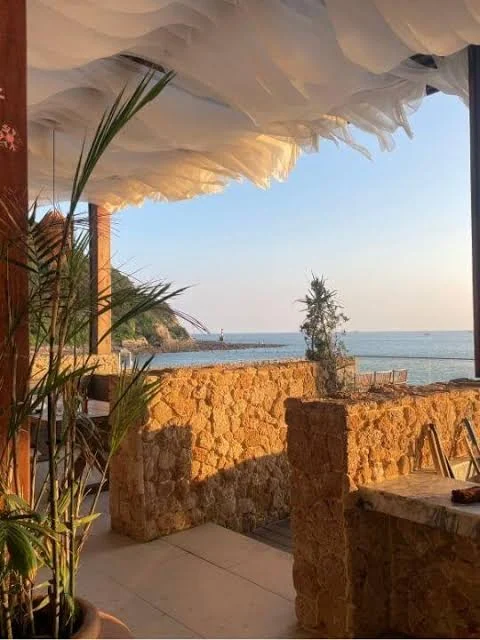
- 涠洲岛wéi zhōu dǎoWeizhou Island, a volcano out in the gulf
Learn these before you fly and the first week costs you less nerve. The free material in our lesson library covers survival Chinese, and the tone tools will check the marks you cannot hear yet.
When to come
Beihai is warm and humid all year, and the calendar splits mainly by rain and heat. Courses start any Monday, so the season you pick comes down to comfort.
Spring, March to May
Around 20 to 26 degrees, some rain, and quiet streets. A good stretch for long walks along the seafront.
Summer, June to August
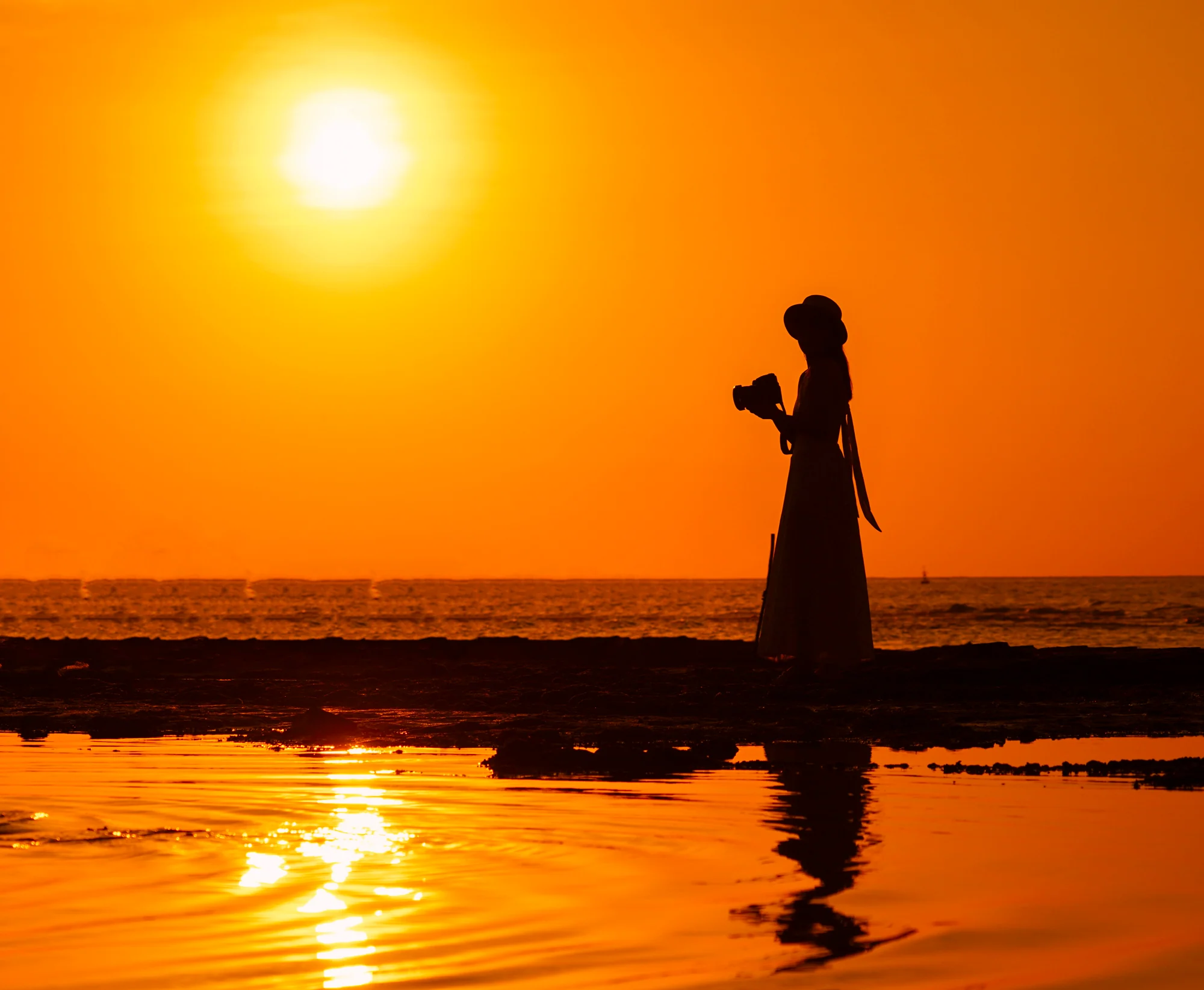
Hot and humid, 30 degrees and up, with the sea at its warmest. Typhoon season arrives late in the summer and can close the ferry for a day.
Autumn, September to November
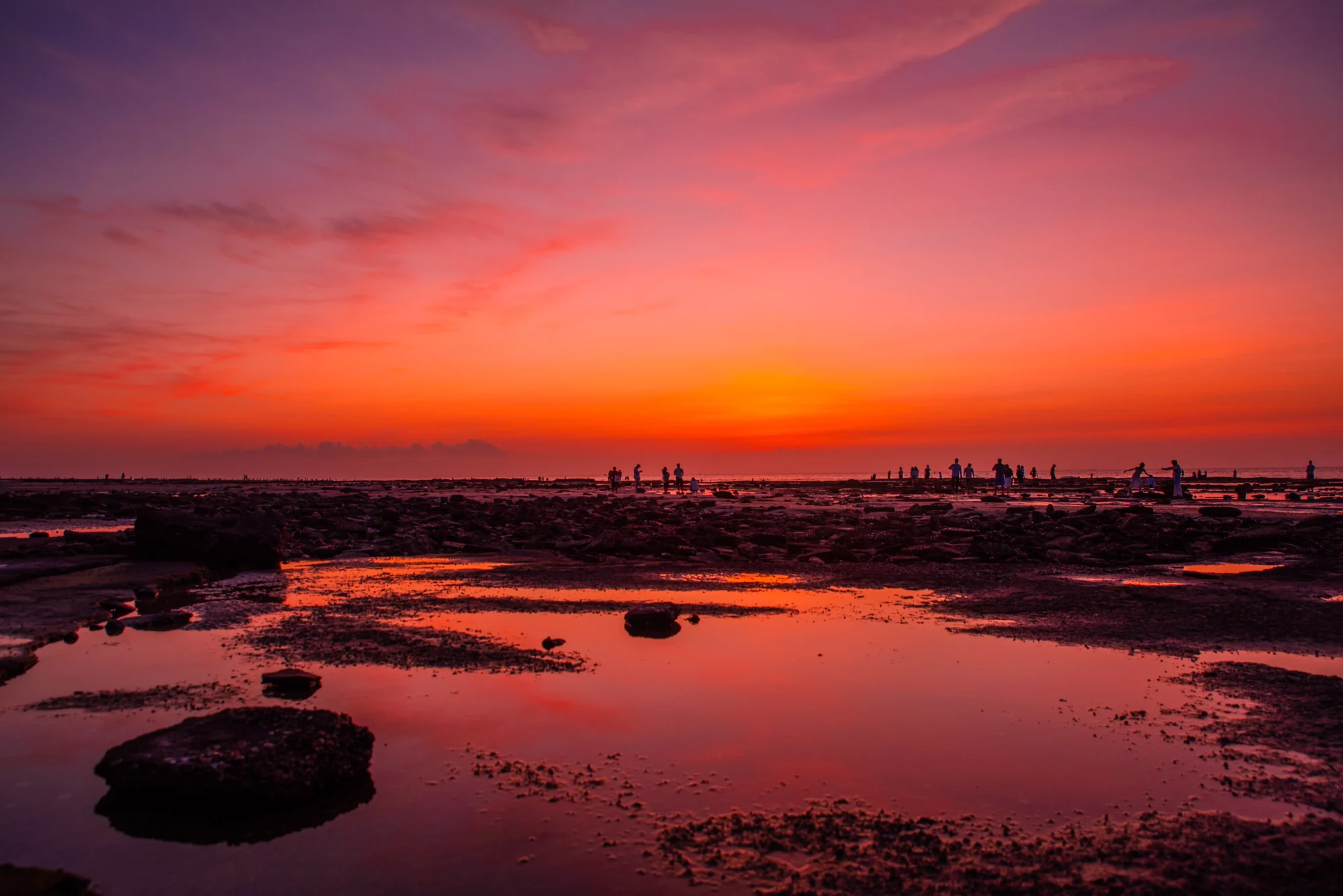
The most comfortable months for most students: still warm, less rain, and mild evenings. Typhoons taper off by October.
Winter, December to February
Mild and drier, rarely below 12 degrees, and the quietest time for tourists. Bring a jacket for the damp sea air.
Plan the trip
If you are ready to look at flights and trains, the next page walks through the airports, the high-speed lines and the pickup that meets you on the day you land. You can also start with a lesson over a call if the journey is still a year away.
Read getting to Beihai for the routes, then the immersion programme for what the weeks look like once you are here.