
关于我们guān yú wǒ men
A small Chinese school on the coast
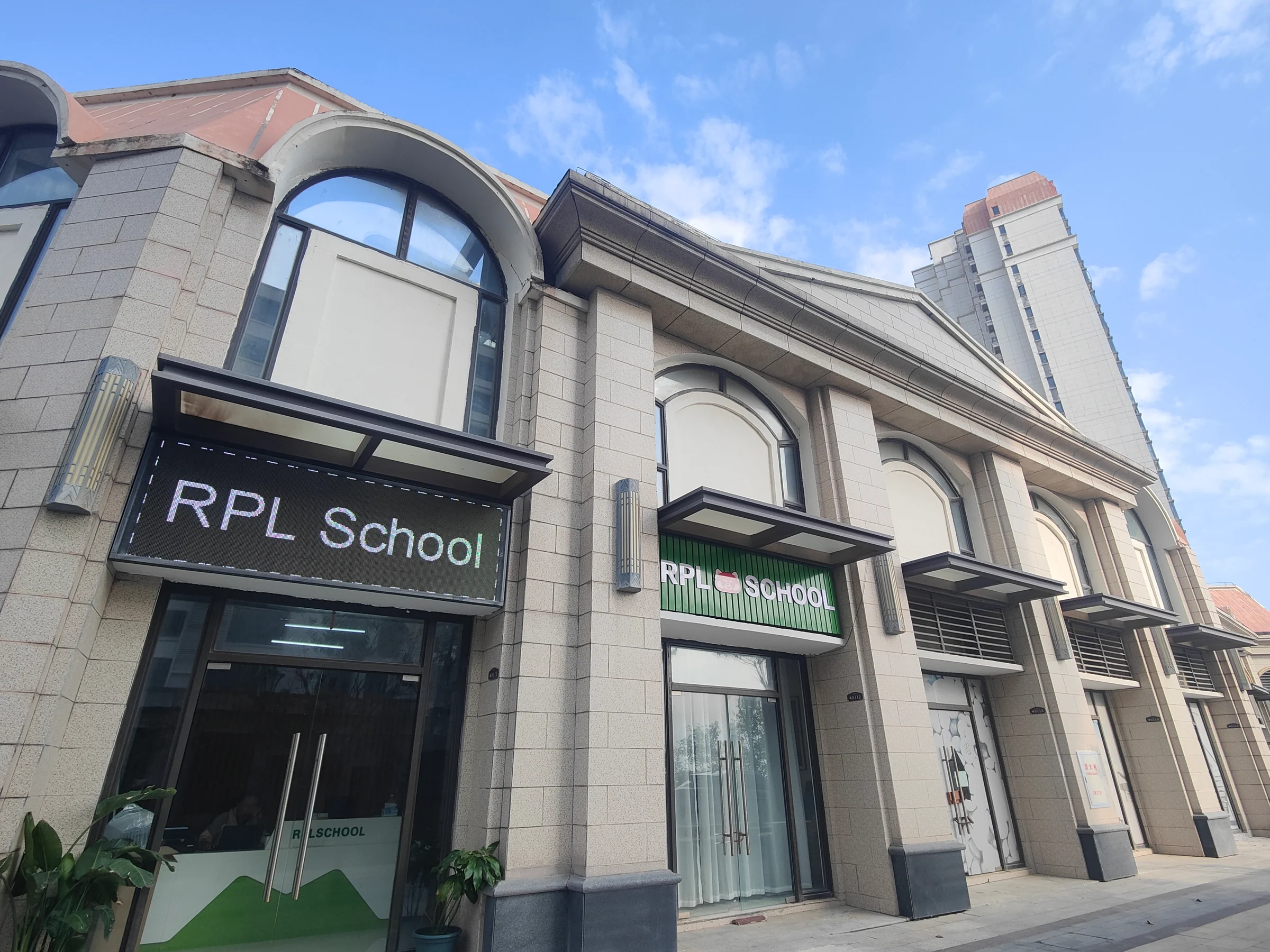
Real Life Chinese is the school behind our YouTube channel. We teach one-to-one and small group classes on our own campus in Beihai, Guangxi. We opened the campus in 2022, and there are enough students here that you will find people to eat with, travel with and practise on.
What a class is like
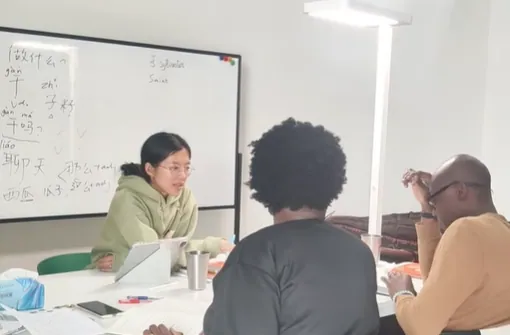
Every lesson is taught by one of our own teachers. There is no agency in the middle and no rotating cast of substitutes. If you come for immersion you work with three teachers, and your week is split between them: reading and writing, listening and speaking, and a review hour that closes each day.
Classes are small. We cap groups at eight students, so nobody spends an hour watching other people talk, and the teacher can hear what each person needs to fix.
Most students start with words they will use that same afternoon. The grammar turns up when a sentence needs it, not in a list at the front of the book.
- 你好nǐ hǎohello, the first thing anyone learns
- 谢谢xiè xiēthank you
- 我要这个wǒ yào zhè geI would like this one
- 慢慢来màn màn láitake your time
- 你会说英文吗?nǐ huì shuō yīng wén ma?Do you speak English?
You will recieve corrections on your tones from the first lesson. It is the part of Chinese that a video cannot check for you, and the part most people get wrong for years.

How the school began
Real Life Chinese grew out of our YouTube channel. We had been making lessons for people studying on their own, and the same question kept arriving in the comments: where do I go to actually use this? In 2022 we answered it by opening a campus of our own in Beihai.
The teachers here had spent years working in larger cities, and the problem was always the same. A student would finish a term able to read a menu and still freeze the moment a shopkeeper spoke first. A big city hands you plenty of people to talk to, and nearly all of them will answer you in English. Beihai does not, and that single difference shaped the school more than any method we could have chosen.
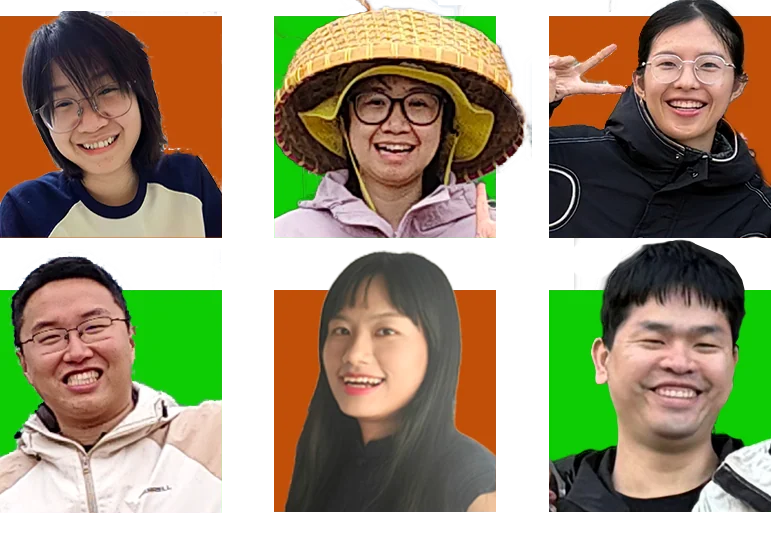
We stayed small on purpose. Seven teachers, a handful of classrooms, and a student body that turns over every few weeks. You will learn the names of the people teaching you, and you will learn the names of the people sitting beside you. The team page introduces them one by one, and the gallery shows the rooms they work in.
Who comes here
Our students are adults, from their early twenties to their sixties. Some are between jobs, some are taking a term away from university, and some have retired with the time to do this properly. A few need the HSK certificate for a course or a visa, and they usually arrive with the exam date already booked.
Stays run from a single week to several months. The short ones tend to be people folding a fortnight of lessons into a longer trip around Guangxi and Yunnan. The long ones are the students who want to get past the plateau where reading is comfortable and speaking is not. Both are built the same way: you say what you want to be able to do, and the timetable follows.
Because there are enough students here at any one time, the week carries on after class. People eat together, walk to the market together, and plan weekends out to Weizhou Island. None of that is on the timetable, and it does more for the speaking than an extra hour of grammar would. The student stories describe it better than we can, and the Beihai page covers the city you would be living in.
Why Beihai
We chose this city after years of teaching in larger ones. Beihai is small enough to walk across, cheap enough to stay a while, and it has very few people who will switch to English the moment your tones wobble. That last part matters more than it sounds.
The videos reach people who are not ready to get on a plane yet. If that is you, start with what pinyin is and the four tones, then book a lesson over a call when you want someone to listen.