
If you are starting Chinese, tones are one of the first surprises you will encounter. Many learners expect Chinese to be difficult because of characters, but soon realize something else matters just as much: pronunciation.
- "Learn the four tones in Mandarin Chinese with clear explanations and simple reading practice. Understand how tones change meaning in everyday Chinese.
- If you are starting Chinese, tones are one of the first surprises you will encounter.
- Many learners expect Chinese to be difficult because of characters, but soon realize something else matters just as much: pronunciation.
- In Mandarin Chinese, the same syllable can mean completely different things depending on the tone.
- This is why ma can have several meanings even though the spelling looks identical in pinyin.
In Mandarin Chinese, the same syllable can mean completely different things depending on the tone. This is why ma can have several meanings even though the spelling looks identical in pinyin.
Tones are part of how Chinese speakers understand meaning in conversation. Change one and the word changes with it.
Chinese uses Hanzi (characters) for writing, and pinyin for pronunciation. Tones are part of pinyin and are marked with symbols above vowels.
Why tones matter more than you think
At first, tones may feel like a pronunciation exercise. But in real conversations, they are essential for meaning.
These are not small variations. They are completely different words.
Here is a simple example in context:
Even a slight change in tone can make the sentence unclear or change the meaning entirely.
The four tones in Mandarin
Mandarin has four main tones. Each tone has a different pitch pattern.
Vocabulary
| Word | Pinyin | Meaning | Note |
|---|---|---|---|
| shēng diào | tone | ||
| pīn yīn | pinyin | ||
| hàn zī | Chinese character | ||
| pǔ tōng huà | Mandarin Chinese | ||
| mā ma | mom | ||
| mǎ | horse | ||
| má | hemp | ||
| mà | scold | ||
| nǐ hǎo | hello | ||
| hěn hǎo | very good | ||
| shì | is | ||
| hē | drink |
First tone (high and steady)
The first tone is flat and high, like holding a steady sound.
- mā
- tī
- shēn
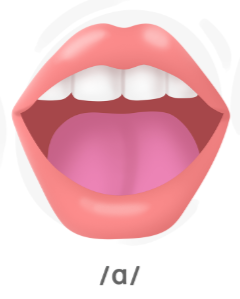
It is smooth and does not rise or fall.

Second tone (rising)
The second tone rises, a little like asking a question in English.
- má
- lá
- shé

It starts lower and moves upward, so your voice should climb as you say it.
Third tone (falling then rising)
The third tone dips down before rising again. It often feels longer than the other tones.
- mǎ
- hǎo
- nǐ

This is one of the most important tones in everyday Mandarin.
Fourth tone (sharp falling)
The fourth tone is strong and quick. It drops sharply, like a short, firm instruction.
- mà
- kè
- shì

Once you can hear the four shapes, steady, rising, dipping, falling, you can start to tell words apart by sound alone.
Comments
No account needed. Leave a name and say what you think — Chinese or English, either is fine.
Loading comments…