

Vocabulary
| Word | Pinyin | Meaning | Note |
|---|---|---|---|
| bù | no | ||
| bú shì | is not | ||
| méi yǒu | do not have | ||
| bù xíng | not possible | ||
| bú yòng le | no need | ||
| bù hē | will not drink | ||
| méi yǒu shí jiān | have no time | ||
| bāng máng | help | ||
| tíng chē | park (a vehicle) | ||
| bāo | bag | ||
| kā fēi | coffee | ||
| xiè xiè | thank you | ||
| xià cì ba | next time | ||
| zài xiǎng xiǎng | think again | ||
| bù fāng biàn | inconvenient |
If you're learning Mandarin, you might expect there to be one simple word for "no."
- Learn how to say 'no' in Chinese naturally. Discover common expressions like 不, 不是, 没有, 不行, and 不用了, and understand how native speakers politely refuse in everyday Mandarin.
- If you're learning Mandarin, you might expect there to be one simple word for "no." In reality, Chinese works a little differently.
- Instead of using one universal word, native speakers choose different expressions depending on what they're refusing, denying, or correcting.
- Some responses simply mean "no." Others mean "not yet," "can't," or "that's not right." Chinese is written with Hanzi (characters), while pinyin represents pronunciation.
- Learning these common expressions will help you sound much more natural in everyday conversations.
In reality, Chinese works a little differently.
Instead of using one universal word, native speakers choose different expressions depending on what they're refusing, denying, or correcting.
Some responses simply mean "no."
Others mean "not yet," "can't," or "that's not right."

Chinese is written with Hanzi (characters), while pinyin represents pronunciation. Learning these common expressions will help you sound much more natural in everyday conversations.
不 (bù)
不 is the most basic way to express "no" or "not."
It usually appears before verbs and adjectives.
| Chinese | Pinyin | Meaning |
|---|---|---|
| 不 | bù | no / not |
Example:
- 我不喝咖啡。
Wǒ bù hē kāfēi.

I don't drink coffee.
Unlike English, Chinese often answers by repeating the verb rather than saying a standalone "no."
Ready to say it out loud? Book an online lesson with a teacher in China, or come and study in Beihai. When you are ready for more, our Real life in Beihai course takes it a step further.
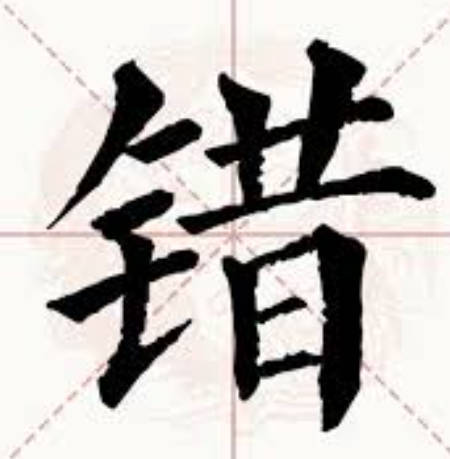
不是 (bú shì)
不是 means "is not" or "that's not correct."
It's commonly used to deny or correct information.
| Chinese | Pinyin | Meaning |
|---|---|---|
| 不是 | bú shì | no / isn't |
Example:
- 这是你的包吗?
- 不是。
Zhè shì nǐ de bāo ma?
Bú shì.
Is this your bag?
No, it isn't.
没有 (méiyǒu)
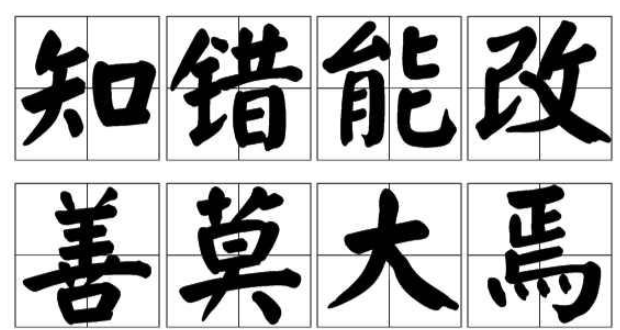
没有 is often used when something does not exist or has not happened.
Example:
- 你有时间吗?
- 没有。
Nǐ yǒu shíjiān ma?
Méiyǒu.
Do you have time?
No, I don't.
不行 (bùxíng)
When something isn't possible or isn't allowed, native speakers often say 不行.
Example:
- 我可以停车吗?
- 不行。
Wǒ kěyǐ tíngchē ma?
Bùxíng.

Can I park here?
No, you can't.
不用了 (búyòng le)
One very useful expression is 不用了.
It politely means:
- No, thanks.
- That's okay.
- I don't need it anymore.
Example:
- 要帮忙吗?
- 不用了,谢谢。

Yào bāngmáng ma?
Búyòng le, xièxie.
Do you need help?
No, thanks.
Chinese often refuses politely
One interesting feature of Mandarin is that people don't always reject something directly.

Instead of saying a simple "no," they often soften the response.
For example:
- 今天可能不方便。
- 我再想想。
- 下次吧。
These expressions make the conversation sound more polite and less abrupt.
As you continue learning Chinese, you'll notice that indirect refusals are very common in daily life.
Which expression should you use?
| Situation | Best Choice |
|---|---|
| General negative | 不 |
| Denying a fact | 不是 |
| Saying you don't have something | 没有 |
| Refusing permission | 不行 |
| Declining politely | 不用了 |
Choosing the right expression depends on the situation rather than translating the English word "no."
Common beginner mistakes

Many learners try to answer every question with 不.
Native speakers rarely do that.
Instead, they usually choose an expression that matches the type of question being asked.
Using 不是, 没有, or 不行 in the right context will make your Mandarin sound much more natural.
Final thoughts
Chinese doesn't have a single word that covers every meaning of "no."

Instead, it offers several expressions for different situations.
Starting with 不, 不是, 没有, 不行, and 不用了 will help you handle most everyday conversations with confidence.
- Negation in Chinese Grammar, Chinese Grammar Wiki (resources.allsetlearning.com)
- Refusing Offers and Invitations in Chinese Culture, China Highlights (www.chinahighlights.com)
- Tone Sandhi Rules: How 不 (bù) and 一 (yī) Change Tone, Wikipedia (en.wikipedia.org)
- How to Say 'No' Politely in Mandarin, Fluent in 3 Months Blog (Archived via Wayback Machine) (web.archive.org)
- HSK 1–2 Vocabulary List: Negation Words, HSK Academy (hskacademy.com)
Comments
No account needed. Leave a name and say what you think — Chinese or English, either is fine.
Loading comments…