

If you're learning Mandarin, one of the first questions you might ask is:
- Learn how to say 'yes' in Chinese naturally. Discover common expressions like 是, 对, 好, 可以, 没错, and 嗯, with pinyin, pronunciation, and real-life examples.
- If you're learning Mandarin, one of the first questions you might ask is: How do you say "yes" in Chinese? The answer is more interesting than you might expect.
- Unlike English, Mandarin doesn't have a single word that means "yes" in every situation.
- Instead, Chinese speakers choose different expressions depending on the question, the context, and how formal the conversation is.
- Chinese is written with Hanzi (characters), while pinyin represents pronunciation.
How do you say "yes" in Chinese?
The answer is more interesting than you might expect.
Unlike English, Mandarin doesn't have a single word that means "yes" in every situation. Instead, Chinese speakers choose different expressions depending on the question, the context, and how formal the conversation is.
Chinese is written with Hanzi (characters), while pinyin represents pronunciation. Once you learn a few common expressions, saying "yes" will feel much more natural.
是 (shì)

是 is one of the most common ways to answer a yes-or-no question.
Chinese often repeats the verb from the question instead of using a separate word for "yes."
| Chinese | Pinyin | Meaning |
|---|---|---|
| 是 | shì | yes / is |
Example:
- 他是老师吗?
- 是。
Tā shì lǎoshī ma?
Shì.

Is he a teacher?
Yes.
Ready to say it out loud? Book an online lesson with a teacher in China, or come and study in Beihai. When you are ready for more, our Real life in Beihai course takes it a step further.
Vocabulary
| Word | Pinyin | Meaning | Note |
|---|---|---|---|
| shì | yes | ||
| duì | correct | ||
| hǎo | okay | ||
| kě yǐ | can | ||
| méi cuò | that's right | ||
| ǹg | uh-huh | ||
| lǎo shī | teacher | ||
| shǒu jī | mobile phone | ||
| zǒu ba | let's go | ||
| jīn tiān | today | ||
| tóng yì | agree | ||
| què rèn | confirm | ||
| huí dá | answer | ||
| kě yǐ ma | is it okay? | ||
| jiù shì zhè yàng | that's it |
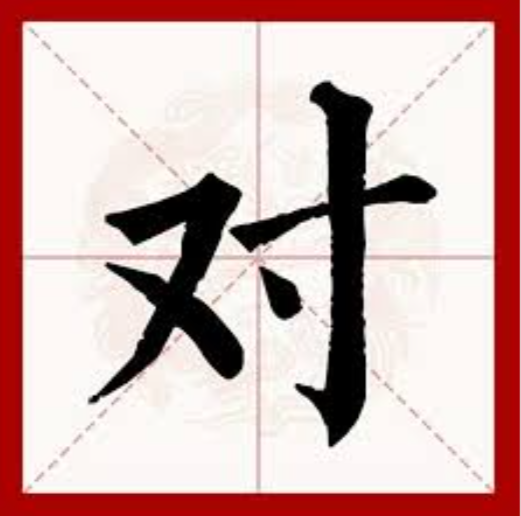
对 (duì)
对 means "correct" or "that's right."
People often use it when confirming information.
| Chinese | Pinyin | Meaning |
|---|---|---|
| 对 | duì | that's right |
Example:
- 这是你的手机吗?
- 对。
Zhè shì nǐ de shǒujī ma?
Duì.
Is this your phone?
That's right.
好 (hǎo)
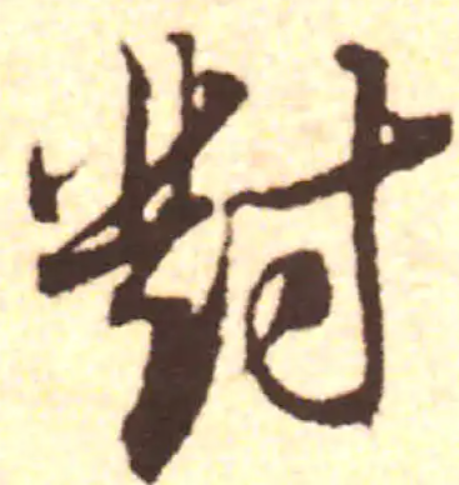
好 literally means "good," but it's often used to accept a suggestion or agree with someone.
| Chinese | Pinyin | Meaning |
|---|---|---|
| 好 | hǎo | OK / sure |
Example:
- 我们走吧。
- 好!
Wǒmen zǒu ba.
Hǎo!
Let's go.

OK!
可以 (kěyǐ)
可以 means "can," "may," or "sure."
It's commonly used when giving permission or agreeing to a request.
| Chinese | Pinyin | Meaning |
|---|---|---|
| 可以 | kěyǐ | certainly / yes |
Example:
- 我可以坐这里吗?
- 可以。
Wǒ kěyǐ zuò zhèlǐ ma?

Kěyǐ.
May I sit here?
Yes, you can.
没错 (méicuò)
没错 means "exactly" or "that's correct."
It's stronger than simply saying 对.

Example:
- 没错,就是这样。
Méicuò, jiù shì zhèyàng.
That's right. Exactly.
嗯 (èn)
In casual conversations, many native speakers simply reply with 嗯.
It's similar to saying:
- Mm-hmm
- Yep
- Uh-huh

Example:
- 今天去吗?
- 嗯。
Jīntiān qù ma?
Èn.
Are we going today?
Yep.
Which one should you use?

Different situations call for different expressions.
| Situation | Best Choice |
|---|---|
| Confirming a fact | 是 |
| Saying someone is correct | 对 |
| Agreeing to a suggestion | 好 |
| Giving permission | 可以 |
| Strong confirmation | 没错 |
| Casual conversation | 嗯 |
Native speakers switch between these naturally, so don't worry about memorizing only one word for "yes."
Common beginner mistakes
Many learners search for a single Chinese word that always means "yes."
In reality, Mandarin usually answers the question itself rather than using one universal response.
For example, instead of saying "yes," Chinese speakers often repeat the verb from the original question.

Learning this habit will make your Mandarin sound much more natural.
Final thoughts
Although English relies on one simple word—yes—Mandarin offers several ways to agree, confirm, or accept something.
Start with 是, 对, 好, and 可以.
These four expressions cover most everyday conversations and will help you understand how native speakers naturally respond in different situations.
- 是 - Chinese Grammar Wiki: Affirmative 'Shì' (resources.allsetlearning.com)
- 对 - Wiktionary entry for 'duì' (affirmative particle) (en.wiktionary.org)
- 嗯 — Tone Variation and Pragmatic Use in Spoken Mandarin (www.ling.upenn.edu)
- Can / May / Yes — 'Kěyǐ' as a Polite Affirmative in Chinese Conversation (chinese.stackexchange.com)
- 没错 — Wikipedia entry (Chinese: 没错) (zh.wikipedia.org)
Comments
No account needed. Leave a name and say what you think — Chinese or English, either is fine.
Loading comments…