

Vocabulary
| Word | Pinyin | Meaning | Note |
|---|---|---|---|
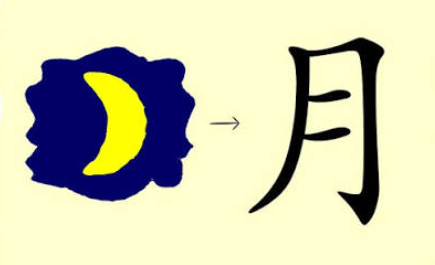
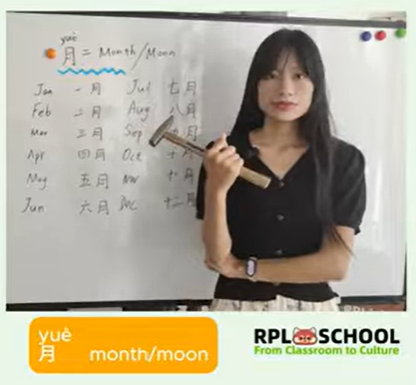
| yuè | month | ||
| yī yuè | January | ||
| èr yuè | February | ||
| sān yuè | March | ||
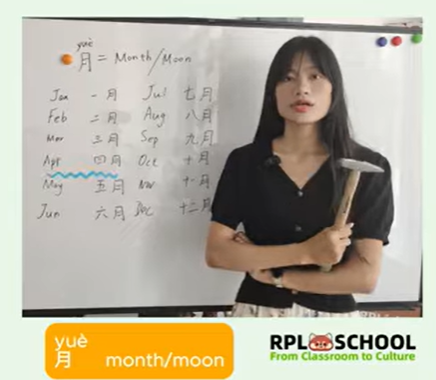
| sì yuè | April | ||
| wǔ yuè | May | ||
| liù yuè | June | ||
| qī yuè | July | ||
| bā yuè | August | ||
| jiǔ yuè | September | ||
| shí yuè | October | ||
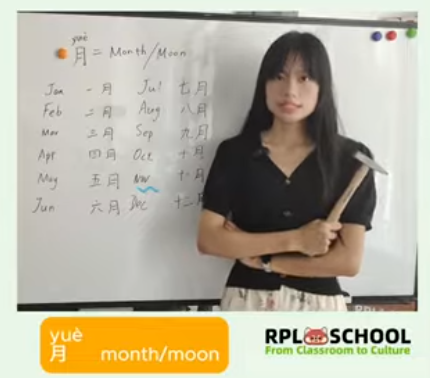
| shí yī yuè | November | ||
| shí èr yuè | December | ||
| shēng rì | birthday | ||
| kāi xué | school starts |
Learning the months in Chinese is much easier than many beginners expect.
- Learn the months in Chinese with pinyin, pronunciation, and simple examples. Discover the easy pattern behind January to December in Mandarin.
- Learning the months in Chinese is much easier than many beginners expect.
- Unlike English, where each month has a different name, Mandarin follows a simple numbering system.
- Once you know the numbers from one to twelve, you already know almost every month of the year.
- Chinese is written with Hanzi (characters), while pinyin represents pronunciation.
Unlike English, where each month has a different name, Mandarin follows a simple numbering system. Once you know the numbers from one to twelve, you already know almost every month of the year.
Chinese is written with Hanzi (characters), while pinyin represents pronunciation. This logical pattern makes Chinese months one of the easiest vocabulary topics to learn.
The Twelve Months
| Chinese | Pinyin | English |
|---|---|---|
| 一月 | yī yuè | January |
| 二月 | èr yuè | February |
| 三月 | sān yuè | March |
| 四月 | sì yuè | April |
| 五月 | wǔ yuè | May |
| 六月 | liù yuè | June |
| 七月 | qī yuè | July |
| 八月 | bā yuè | August |
| 九月 | jiǔ yuè | September |
| 十月 | shí yuè | October |
| 十一月 | shíyī yuè | November |
| 十二月 | shí'èr yuè | December |
Words stick faster when you use them. Take an online lesson, or join us in Beihai. To put it all together, try our Real life in Beihai course.
The Pattern
Chinese months follow one simple rule:

Number + 月
Examples:
- 一月 → January
- 四月 → April
- 八月 → August
- 十二月 → December
The character 月 (yuè) means month.
Once you know Chinese numbers, you can say every month without memorizing twelve separate names.
Example Sentences
- 我的生日是五月。
Wǒ de shēngrì shì wǔ yuè.
My birthday is in May.
- 我们八月去中国。
Wǒmen bā yuè qù Zhōngguó.
We're going to China in August.
- 学校九月开学。
Xuéxiào jiǔ yuè kāixué.
School starts in September.
- 十二月天气很冷。
Shí'èr yuè tiānqì hěn lěng.
The weather is very cold in December.
Common Beginner Mistakes
Many learners expect each month to have a unique Chinese name.
In fact, Mandarin simply combines a number with 月.
Another common mistake is confusing 月 (month) with 日 (day). They represent different parts of a date and are learned separately.
Did You Know?
Unlike English, Chinese month names don't come from Roman gods or historical traditions.
Instead, they're purely numerical.
This makes them much easier for beginners to remember and pronounce.
Practice
Can you read these?
| Chinese | Your Answer |
|---------|-------------|
| 二月 | |
| 七月 | |
| 十月 | |
| 十一月 | |

| 十二月 | |
Try reading each one aloud before checking your answers with your practice tools.
Final Thoughts
Chinese months are wonderfuly consistent.
Once you've learned the numbers from one to twelve and the character 月, you can confidently talk about every month of the year.
Related Dictionary Articles
- Time in Chinese
- How to Tell Time in Chinese
- Days of the Week in Chinese
- Dates in Chinese
- Chinese Numbers
FAQ
How do you say 'July' in Chinese?
July is 七月 (qī yuè), formed by the number 七 (qī, 'seven') plus 月 (yuè, 'month').
Why are Chinese months easier to learn than English ones?
Because they follow a consistent pattern: the number for the month (1–12) + 月 (yuè), so knowing the numbers lets you say all twelve months instantly.
How is 'November' written and pronounced in Chinese?
November is 十一月 (shíyī yuè), literally 'ten-one month', pronounced shíyī yuè, note the tone sandhi where the first 一 becomes yī instead of yì.
What does the character 月 mean in month names like 五月?
月 (yuè) means 'month'; in 五月 (wǔ yuè), it combines with 五 (wǔ, 'five') to mean 'May', literally 'five month'.
- Chinese Calendar and Months, Omniglot (omniglot.com)
- Month Names in Chinese, Wikipedia: Chinese calendar § Months (wikipedia.org)
- HSK 1 Vocabulary List, Official HSK Online (Section: Time Expressions) (hskonline.com)
- Tones in Time Words, Chinese Grammar Wiki: Tone Sandhi & Number + Month Combinations (allsetlearning.com)
- How to Say Dates and Months in Mandarin, ThoughtCo: 'Talking About Time in Chinese' (thoughtco.com)
Comments
No account needed. Leave a name and say what you think — Chinese or English, either is fine.
Loading comments…