
Vocabulary
| Word | Pinyin | Meaning | Note |
|---|---|---|---|
| zǎo shàng | morning | ||
| shàng wǔ | morning (before noon) | ||
| zhōng wǔ | noon | ||
| xià wǔ | afternoon | ||
| wǎn shàng | evening | ||
| yè wǎn | night | ||
| zǎo shàng hǎo | good morning | ||
| xià wǔ hǎo | good afternoon | ||
| wǎn shàng hǎo | good evening | ||
| qǐ chuáng | get up | ||
| chī fàn | eat a meal | ||
| xué xí | study | ||
| shuì jiào | sleep | ||
| jīn tiān | today | ||
| míng tiān | tomorrow | ||
| zuó tiān | yesterday | ||
| xiàn zài | now | ||
| shí jiān | time | ||
| shí hòu | time, moment |
Knowing how to talk about different times of the day is one of the first steps in learning Mandarin.
- Learn how to say morning, afternoon, evening, and night in Chinese with pinyin, meanings, common phrases, and example sentences.
- Knowing how to talk about different times of the day is one of the first steps in learning Mandarin.
- Chinese has several common words for morning, afternoon, evening, and night.
- These words are often combined with greetings, daily activities, and time expressions.
- There are two common ways to say "morning": Examples: > 早上好。
Chinese has several common words for morning, afternoon, evening, and night. These words are often combined with greetings, daily activities, and time expressions.
Words stick faster when you use them. Take an online lesson, or join us in Beihai. To put it all together, try our Real life in Beihai course.
| Chinese | Pinyin | English |
|---|---|---|
| 早上 | zǎo shang | morning |
| 上午 | shàng wǔ | morning / before noon |
| 中午 | zhōng wǔ | noon |
| 下午 | xià wǔ | afternoon |
| 晚上 | wǎn shang | evening / night |
| 夜晚 | yè wǎn | night |
There are two common ways to say "morning":
| Chinese | Pinyin | English | Usage |
|---|---|---|---|
| 早上 | zǎo shang | morning | everyday conversation |
| 上午 | shàng wǔ | morning | formal time expression |
Examples:

早上好。
Zǎo shang hǎo.
Good morning.
我上午学习中文。
Wǒ shàng wǔ xuéxí Zhōngwén.

I study Chinese in the morning.
| Chinese | Pinyin | English |
|---|---|---|
| 中午 | zhōng wǔ | noon |
Example:
我们中午吃饭。
Wǒmen zhōng wǔ chī fàn.
We eat lunch at noon.

The most common word for afternoon is:
| Chinese | Pinyin | English |
|---|---|---|
| 下午 | xià wǔ | afternoon |
Examples:
下午好。
Xià wǔ hǎo.
Good afternoon.
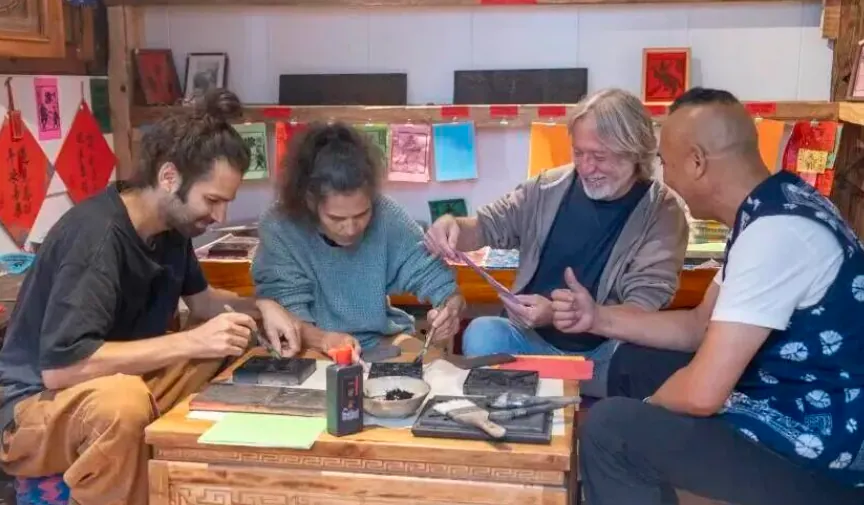
我下午去学校。
Wǒ xià wǔ qù xuéxiào.
I go to school in the afternoon.
Chinese usually uses 晚上 for both evening and general nighttime conversations.
| Chinese | Pinyin | English |
|---|---|---|
| 晚上 | wǎn shang | evening / night |
| 夜晚 | yè wǎn | night |
Examples:

晚上好。
Wǎn shang hǎo.
Good evening.
我晚上看电影。
Wǒ wǎn shang kàn diànyǐng.
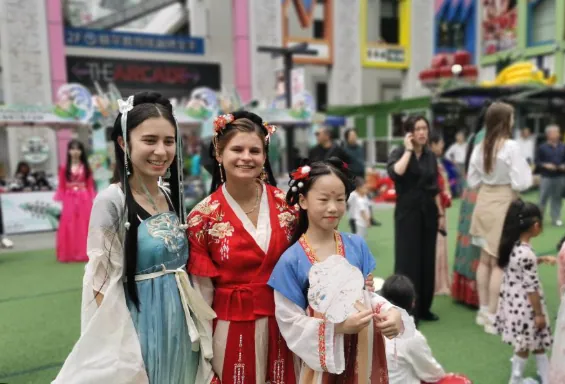
I watch movies at night.
| Chinese | Pinyin | English |
|---|---|---|
| 早上好 | zǎo shang hǎo | Good morning |
| 上午好 | shàng wǔ hǎo | Good morning |
| 下午好 | xià wǔ hǎo | Good afternoon |
| 晚上好 | wǎn shang hǎo | Good evening |
Note:
In daily Chinese, 早上好 and 晚上好 are much more common than 上午好.
| Chinese | Pinyin | English |
|---|---|---|
| 早上起床 | zǎo shang qǐ chuáng | get up in the morning |
| 上午工作 | shàng wǔ gōng zuò | work in the morning |
| 中午吃饭 | zhōng wǔ chī fàn | eat lunch at noon |
| 下午学习 | xià wǔ xué xí | study in the afternoon |
| 晚上睡觉 | wǎn shang shuì jiào | sleep at night |
| Chinese | Pinyin | English |
|---|---|---|
| 现在几点? | Xiànzài jǐ diǎn? | What time is it now? |
| 现在早上吗? | Xiànzài zǎo shang ma? | Is it morning now? |
| 你什么时候学习? | Nǐ shénme shíhou xuéxí? | When do you study? |
| Chinese | Pinyin | English |
|---|---|---|
| 今天 | jīn tiān | today |
| 明天 | míng tiān | tomorrow |
| 昨天 | zuó tiān | yesterday |
| 现在 | xiàn zài | now |
| 时间 | shí jiān | time |
| 时候 | shí hou | time / moment |
Morning
我每天早上喝咖啡。
Wǒ měitiān zǎo shang hē kāfēi.

I drink coffee every morning.
Afternoon
下午三点我上课。
Xià wǔ sān diǎn wǒ shàng kè.
I have class at 3 p.m.
Evening
我晚上喜欢看书。

Wǒ wǎn shang xǐhuan kàn shū.
I like reading at night.
Night
你晚上几点睡觉?
Nǐ wǎn shang jǐ diǎn shuì jiào?
What time do you go to sleep at night?
| English | Chinese | Pinyin |
|---|---|---|
| Morning | 早上 | zǎo shang |
| Before noon | 上午 | shàng wǔ |
| Noon | 中午 | zhōng wǔ |
| Afternoon | 下午 | xià wǔ |
| Evening | 晚上 | wǎn shang |
| Night | 夜晚 | yè wǎn |
- Chinese Word for 'Morning', 早晨 (zǎo chen) vs. 上午 (shàng wǔ) (en.wiktionary.org)
- Shàngwǔ (上午) and Xiàwǔ (下午): Time Segments in Mandarin Chinese (resources.allsetlearning.com)
- Wǎnshang (晚上) — Meaning, Usage, and Common Collocations (en.wikipedia.org)
- Yè (夜) vs. Wǎnshang (晚上): Formal vs. Colloquial Terms for 'Night' (en.wiktionary.org)
- Tone Pair Drills: Common Time-of-Day Phrases (e.g., zǎo chen, xià wǔ, wǎn shang) (www.practicingchinese.com)
Comments
No account needed. Leave a name and say what you think — Chinese or English, either is fine.
Loading comments…