

Vocabulary
| Word | Pinyin | Meaning | Note |
|---|---|---|---|
| yuè | month | ||
| rì | day | ||
| hào | date | ||
| jǐ yuè | which month | ||
| jǐ hào | what date | ||
| jǐ rì | what day | ||
| jīn tiān | today | ||
| shēng rì | birthday | ||
| huì yì | meeting | ||
| yī yuè yī rì | January 1st | ||
| liù yuè shí bā hào | June 18th | ||
| jiǔ yuè yī rì | September 1st | ||
| shí yuè wǔ hào | October 5th | ||
| shí èr yuè sān shí yī rì | December 30th |
Knowing how to say the date is an essential skill in Mandarin.
- Learn how to write and say dates in Chinese. Discover the simple year-month-day format, pinyin, and practical examples for everyday Mandarin.
- Knowing how to say the date is an essential skill in Mandarin.
- You'll need it when talking about birthdays, holidays, appointments, travel plans, and important events.
- The good news is that Chinese dates follow a clear and logical pattern.
- Unlike English, there are no special words like "first," "second," or "third" for calendar dates.
You'll need it when talking about birthdays, holidays, appointments, travel plans, and important events.
The good news is that Chinese dates follow a clear and logical pattern. Unlike English, there are no special words like "first," "second," or "third" for calendar dates.
Chinese is written with Hanzi (characters), while pinyin represents pronunciation. Once you know a few basic rules, reading and writing dates becomes very straightforward.
The Basic Pattern
Chinese dates are written in this order:
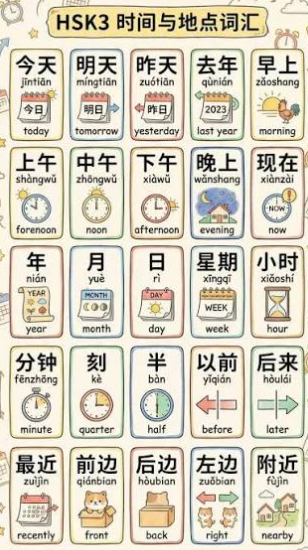
Month + Day
The structure is:
Month + 月 + Day + 日 (or 号)
Examples:
| Chinese | Pinyin | English |
|---|---|---|
| 一月一日 | yī yuè yī rì | January 1 |
| 三月八日 | sān yuè bā rì | March 8 |
| 七月十五日 | qī yuè shíwǔ rì | July 15 |
| 十二月二十五日 | shí'èr yuè èrshíwǔ rì | December 25 |
Words stick faster when you use them. Take an online lesson, or join us in Beihai. To put it all together, try our Real life in Beihai course. And if a trip to China is on your mind, the immersion programme in Beihai explains how a stay with us works.
日 or 号?
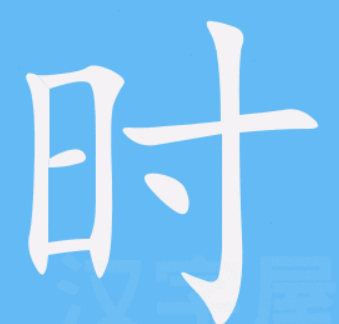
You'll often see both 日 (rì) and 号 (hào) used for the day of the month.
Both are correct, but they're used slightly differently.
| Chinese | Pinyin | Usage |
|---|---|---|
| 日 | rì | More common in writing and formal situations |
| 号 | hào | More common in everyday speech |
For example:
- 今天是六月十号。
- 今天是六月十日。
Both mean:
Today is June 10.
Asking the Date

A common question is:
| Chinese | Pinyin | English |
|---|---|---|
| 今天几月几号? | Jīntiān jǐ yuè jǐ hào? | What's today's date? |
You may also hear:
| Chinese | Pinyin | English |
|---|---|---|
| 今天几月几日? | Jīntiān jǐ yuè jǐ rì? | What's today's date? |
Both are natural.
Example Sentences
- 我的生日是六月十八号。
Wǒ de shēngrì shì liù yuè shíbā hào.
My birthday is on June 18.
- 今天是九月一日。
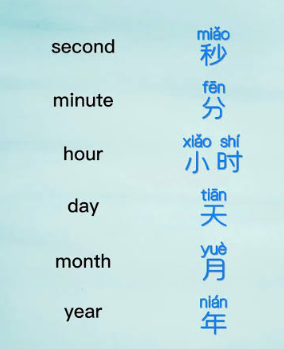
Jīntiān shì jiǔ yuè yī rì.
Today is September 1.
- 我们十月五号见。
Wǒmen shí yuè wǔ hào jiàn.
Let's meet on October 5.
- 会议是十一月二十日。
Huìyì shì shíyī yuè èrshí rì.

The meeting is on November 20.
Common Beginner Mistakes
One common mistake is using the English word order.
English often says:
March 8
Chinese says:

三月八日
Another mistake is worrying about whether to use 日 or 号.
For beginners, both are correct. Native speakers often prefer 号 in conversation and 日 in writing.
Did You Know?
Chinese writes dates from largest to smallest.
A complete date usually follows this order:

Year → Month → Day
This logical sequence is used in calendars, official documents, newspapers, and everyday writing.
Final Thoughts
Chinese dates are remarkably consistent.
Once you know the words 月, 日, and 号, you can express almost any date with confidence.
The next step is learning how to talk about years and complete calendar dates in Mandarin.
FAQ
What is the standard order for writing dates in Chinese?
Chinese dates follow a strict year-month-day order, with months and days expressed as 'Month + 月 + Day + 日' (e.g., 2024年5月20日).
When should I use 日 versus 号 for 'day' in a date?
Both 日 and 号 mean 'day' and are interchangeable in spoken and informal contexts, but 日 is more formal and standard in writing (e.g., 10月1日), while 号 is common in speech (e.g., 10月1号).
How do I ask 'What’s the date today?' in Mandarin?
You can say '今天几月几号?' (jīntiān jǐ yuè jǐ hào?) — literally 'Today what month what day?', using 号 for natural spoken usage.
Are there ordinal numbers like '1st', '2nd' in Chinese dates?
No, Chinese uses cardinal numbers only (e.g., 一, 二, 三), never ordinals like 'first' or 'second'; so 'May 5' is always 五月五日, not '五月第五日'.
- Chinese Calendar and Date Format, Chinese Grammar Wiki (resources.allsetlearning.com)
- Chinese calendar, Wikipedia (en.wikipedia.org)
- How to Say Dates in Mandarin Chinese, Yabla Blog (www.yabla.com)
- Time Expressions in Chinese, Wiktionary Appendix (en.wiktionary.org)
- HSK 1–2 Vocabulary List: Time and Dates, HSK Academy (hskacademy.com)
Comments
No account needed. Leave a name and say what you think — Chinese or English, either is fine.
Loading comments…